

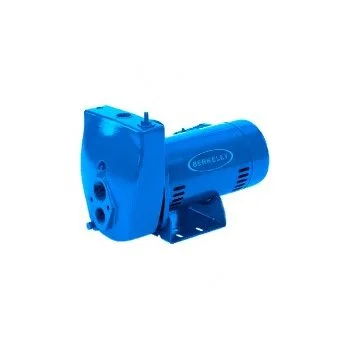
Picture this. You switch on the shower, and suddenly there is a pressure drop in water delivery – someone flushes the toilet and your water supply stops running. Usually, such a situation occurs due to improper sizing of the jet pump with the pressure tank at the very point of origin. The pump and the tank are interdependent and operate together. Initially, the pump draws water from the well, and the tank holds water under pressure so that there is a continuous supply of water through your tap without operating the pump twice every second. However, incorrect sizing may cause difficulties not only for the tank but for the pump as well.
How should you correctly compute everything?
Start With Your Household’s Water Demand
Water demand is the first number to nail down before you size a jet pump with a pressure tank. Usually, plumbers measure it in gallons per minute, or GPM. Every single fixture has its own unique rate of consumption. The water from the bathroom tap flows at around 2 GPM. The water flow rate in the showerhead is 2.5 GPM. A washer could use 4 GPM when filling the drum. You add them all up for simultaneous use of fixtures, and there goes your maximum consumption.
In the case of a household of four people with two baths, maximum demand would be somewhere between 8 and 12 GPM. It could be lower than 6 GPM in small houses or higher than 14 in large households.
It is typical for people to overlook the procedure and assume the numbers. In the end, they find themselves overestimating the rate of consumption, leading to a huge pumping system switching on and off constantly.
Match the Pump to Well Depth
There are two principal categories of jet pumps. The shallow well jet pump is ideal if the level of water is within 25 feet from the top surface. The deep well jet pump goes up to 100 or even 110 feet depending on the brand.
Exceeding the recommended depth for pumping water? You will see weak pressure, longer fill times, and a motor that runs hot. Eventually, that motor burns out. Replacements are not cheap, and the downtime is worse if you have a full house and no running water.
Check your well’s static water level before buying anything. A licensed well driller or your original well report should have that number on file.
Pick the Right Pressure Tank Size
Here is where things get a bit counterintuitive. A bigger pressure tank does not give you more water. It gives you more usable storage between pump cycles.
The standard rule of thumb? Your tank should provide around one gallon of drawdown per gallon per minute of output from your pump. In other words, you would need about 10 gallons of drawdown with a pump that produces 10 GPM. Not total volume. Drawdown.
The amount of water that one can extract before the pump starts again is called the drawdown. With a 30-gallon tank, the drawdown may vary from 8 to 10 gallons, according to its initial pressurization.
A small tank means constant switching of the pump on and off. This process drastically decreases its lifespan by up to half. The pump would serve well for up to two years until it breaks down on some Sunday morning, leaving you dry.
Factor In Pressure Settings
Most home systems run on a 30/50 or 40/60 pressure switch. The first number is when the pump turns on. The other time it turns off is when it does.
Higher settings produce high water pressure at the faucet but create additional stress on the water pump and pressure tank. Lower settings reduce the burden but result in low water pressure, particularly in upper floors.
Don’t Forget Pipe Diameter and Distance
Some quick tips that need to be considered include:
- Utilize 1-inch piping in most domestic lines that do not exceed 100 feet.
- Consider increasing to 1.25 inches when dealing with longer distances.
- Avoid unnecessary elbows and joints.
These small details add up. Perhaps more than people realize when they first plan out a system.
Common Sizing Mistakes Worth Avoiding
A few patterns come up again and again with rural water systems:
- Buying a pump rated for peak demand without checking well yield
- Choosing a tank based on physical size rather than drawdown
- Ignoring the pressure switch range when matching fixtures
- Not considering their future requirements, such as another bathroom or even a hot tub.
- The latter point tends to be overlooked by many individuals.
Planning according to present conditions could result in future planning down the road within five years. After all, it’s only sensible to keep some leeway for the sake of safety.
Sizing the system correctly is what distinguishes an efficient, dependable water system from one that will constantly remind you of its existence each morning. It is the interplay between the pump and the storage tank that must be carefully considered first.