

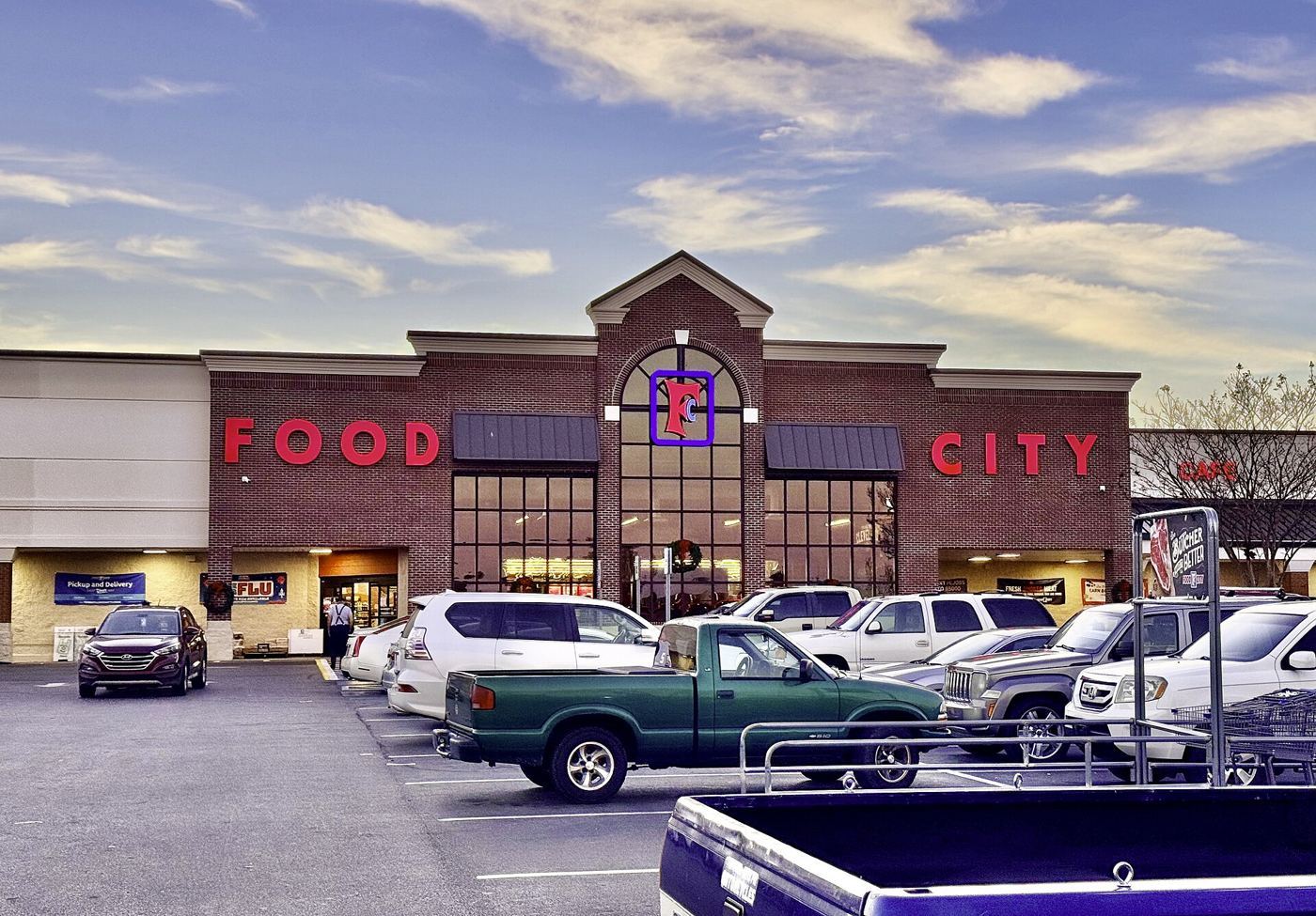
The newest outlet of a national coffee chain did not open in a capital-city mall. It opened on the high street of a market town of forty thousand people, between a bakery and a bookshop — and by its second month it was beating the group’s average store. Franchise brands are pushing into smaller cities and towns at record pace, and the analysis on our business pages shows the logic is structural, not a fad.
Start with costs. Rents in smaller centres run at a fraction of big-city levels, staff turnover is lower, and a new opening is an event rather than another logo in a crowded food court. Customers, meanwhile, have the same tastes as their metropolitan cousins — the same coffee, burgers, gyms and tutoring brands — but far fewer local options. The first good chain to arrive often becomes the default for a generation.
Local owners are the model
Franchising fits the geography. Brands supply the menu, systems and marketing; local owner-operators supply knowledge no head office can replicate — which school gate matters, which employer is hiring, which street floods in winter. Lenders like the model too, since franchised outlets historically survive at higher rates than independent start-ups, though fees and strict contracts demand clear-eyed reading.
Industry bodies such as the International Franchise Association report sustained growth in units outside major metros, with services — repairs, care, education, fitness — now expanding faster than fast food.
Not every town, not every brand
The failures share a pattern: brands that assumed a small city was simply a cheaper big one. Catchments must support the concept year-round, supply runs must be economical, and the offer must bend a little to local habit. Successful chains hold their core menu firm while letting local owners sponsor the football team and stock the regional favourite.
High streets get an unexpected ally
Town-centre advocates, long suspicious of chains, have begun to treat franchise arrivals as anchors rather than invaders. A known brand signing a ten-year lease stabilises a parade of shops, reassures neighbouring independents’ landlords, and pulls the footfall on which cafés, florists and bookshops survive. The franchisee, being local, often becomes a civic fixture — sponsoring the under-12s, sitting on the business association, arguing for the Christmas lights. The brands have noticed the politics and begun courting councils as openly as landlords, offering local sourcing and apprenticeship quotas in their pitches. None of this sanctifies every chain opening, and a town smothered in identical fascias loses the character that made it attractive. But in the long argument about saving smaller high streets, the locally owned franchise has become an unexpectedly persuasive middle answer.
For aspiring owners in smaller places, the message is double-edged. The opportunities arriving on the high street are real, and so is the homework: talk to existing franchisees, model the quiet months, and negotiate territory in writing. Done well, a franchise in a small city is not a consolation prize. Increasingly, it is where the smart money opens first.
