

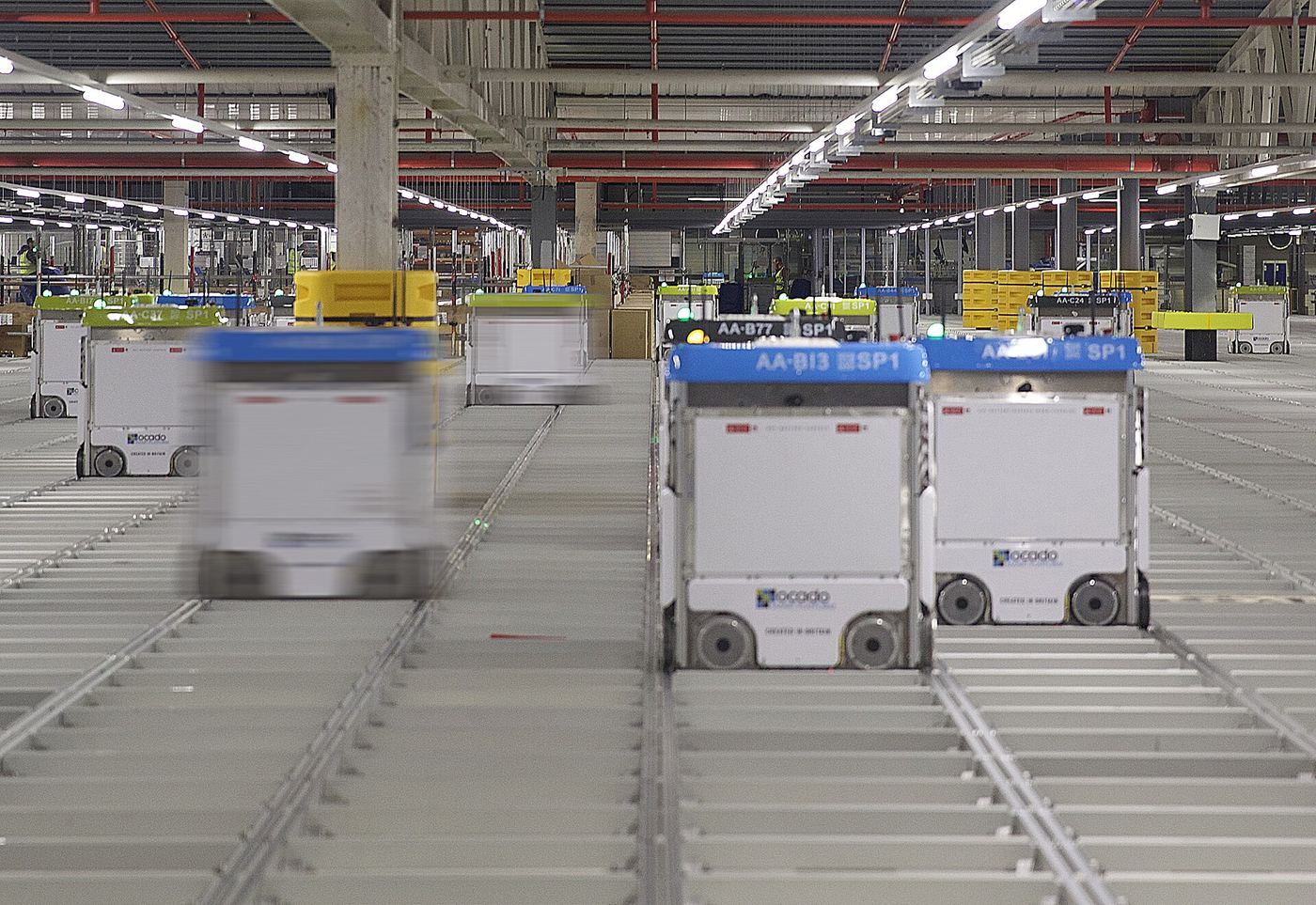
Order by lunch, receive it by dinner. Same-day delivery, once a luxury for flowers and forgotten birthday gifts, has become the expectation shaping how online retail actually works. The shift documented across our commerce coverage is as much about geography as speed: to deliver in hours, goods must already be near the customer, and that single fact is redrawing the warehouse map of every large city.
The model rests on layers. Regional fulfilment centres feed smaller urban depots; dark stores — shops closed to the public, existing only to pick online orders — fill the last gaps. Riders, increasingly on e-bikes and small electric vans, work dense routes where a single trip can complete a dozen drops. Software stitches it together, promising delivery windows measured in hours and, increasingly, in minutes.
The economics are unforgiving
Speed is expensive. Picking single items, holding stock in costly urban space and running half-empty vans all erode the thin margins of online retail. Retailers respond with minimum baskets, delivery subscriptions, and fees that appear only when the order is small or the hour is antisocial. Some have concluded that same-day makes sense for groceries, pharmacy and electronics — high-need categories — while slower, cheaper networks serve everything else.
Logistics analysts at firms tracked by McKinsey’s logistics practice argue the winning design is a menu: customers choose fast, standard or green delivery, priced honestly, instead of one expensive promise for all.
Shops become warehouses
The surprise winner is the physical store. Chains now ship a large share of online orders from shop stockrooms, turning high-street branches into delivery assets and offering click-and-collect in an hour. Returns flow back through the same doors, cheaper than the post and faster for the customer.
The environmental ledger is being rewritten
Speed’s critics picture a van per parcel, but the data is more interesting. Dense same-day routes on electric bikes can emit less per delivery than a customer’s car trip to a distant store, and consolidated drops to lockers and pickup points cut failed-delivery mileage sharply. The genuine problem is the promise’s psychology: free, instant returns train over-ordering, with clothing bought in three sizes and two sent back. Retailers at the sharp end now experiment with gentle friction — small fees for serial returners, better sizing tools, honest delivery menus that show the footprint beside the fee. The industry’s future probably belongs to whoever makes the sustainable option also the convenient one, because shoppers have demonstrated for a decade that convenience, in the end, is the feature that wins.
Same-day delivery will not swallow all of shopping; nobody needs a sofa in four hours. But it has permanently reset what “waiting for a parcel” means, and every retailer — giant or local — now designs backwards from the customer’s front door, one neighbourhood at a time.
