

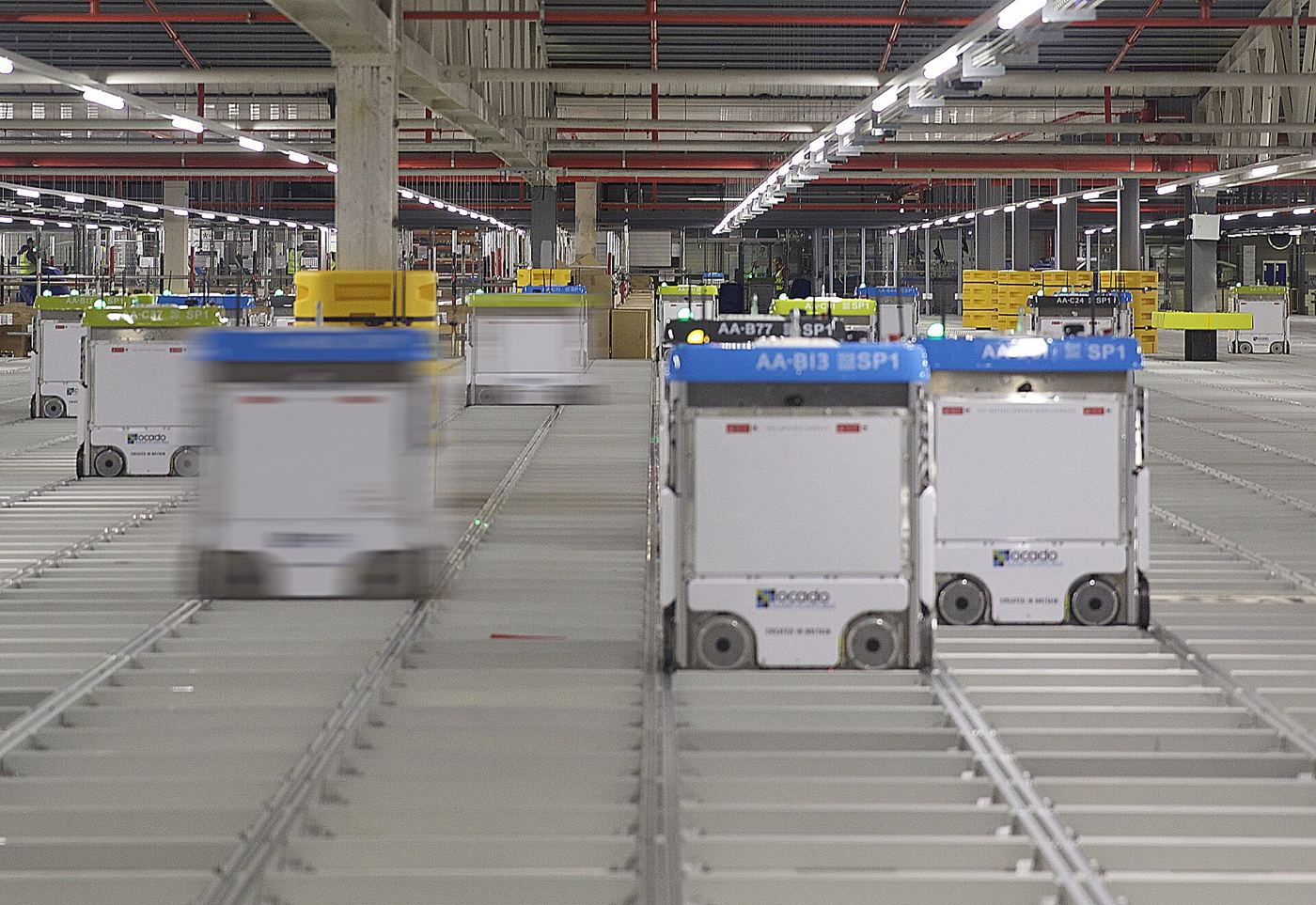
Fulfilment centres are adopting robots that swap their own batteries instead of stopping at charging docks, keeping goods moving through the busiest shopping periods. When power runs low, a robot drives to an exchange station, ejects its depleted pack and slots in a charged one within a minute. Fleet managers say removing long charging pauses lets smaller robot fleets handle the same volume of orders during peak demand. The stations also free floor space once used for parking idle machines.
What the Evidence Shows
The swapped batteries are charged slowly in rotation, which extends their working life and smooths the warehouse’s electricity demand across the day. Safety systems track each pack’s temperature and health, retiring units that show signs of wear before they cause failures on the floor. Logistics analysts note that uptime, rather than top speed, is becoming the deciding measure as retailers compete on reliable same-day and next-day delivery promises. Trials are now running in several large distribution centres overseas. Reporting and analysis from sources such as MIT Technology Review track the same developments, and specialists following self-swapping warehouse robot batteries say the direction is now consistent across independent lines of evidence.
The Wider Context
The wider context is an industry learning to ship capability and restraint together. Products built around self-swapping warehouse robot batteries now launch with safety evaluations, usage data and rollback plans as standard, because enterprise buyers and regulators ask for them in the first meeting. Companies that treated those questions as friction are discovering they have become the purchase criteria.
What Happens Next
What happens next for self-swapping warehouse robot batteries depends less on another breakthrough than on the unglamorous work of reliability, pricing and support. The buyers evaluating it now are not enthusiasts; they are operators with budgets and auditors, and their checklists will decide the timeline. On the evidence of the current pilots, the technology has earned the right to be judged by them. You can follow related developments in our coverage of technology.
There is a practical lesson in all of this for readers deciding what to do today. Start with the verified facts, be wary of anyone promising certainty, and prefer reversible steps while the evidence is still developing. Circumstances differ by country, income and personal situation, so general guidance should always be weighed against your own context before you act on it in any significant or lasting way.
It is also worth remembering how quickly the picture in this area has changed before. Positions that looked settled a few years ago have been revised as new data arrived, and the same humility is appropriate now. The strongest coverage of this subject, and the most useful advice, tends to come from sources that update their views openly when the facts move, rather than defending an earlier position long after it has stopped fitting the evidence available.
