

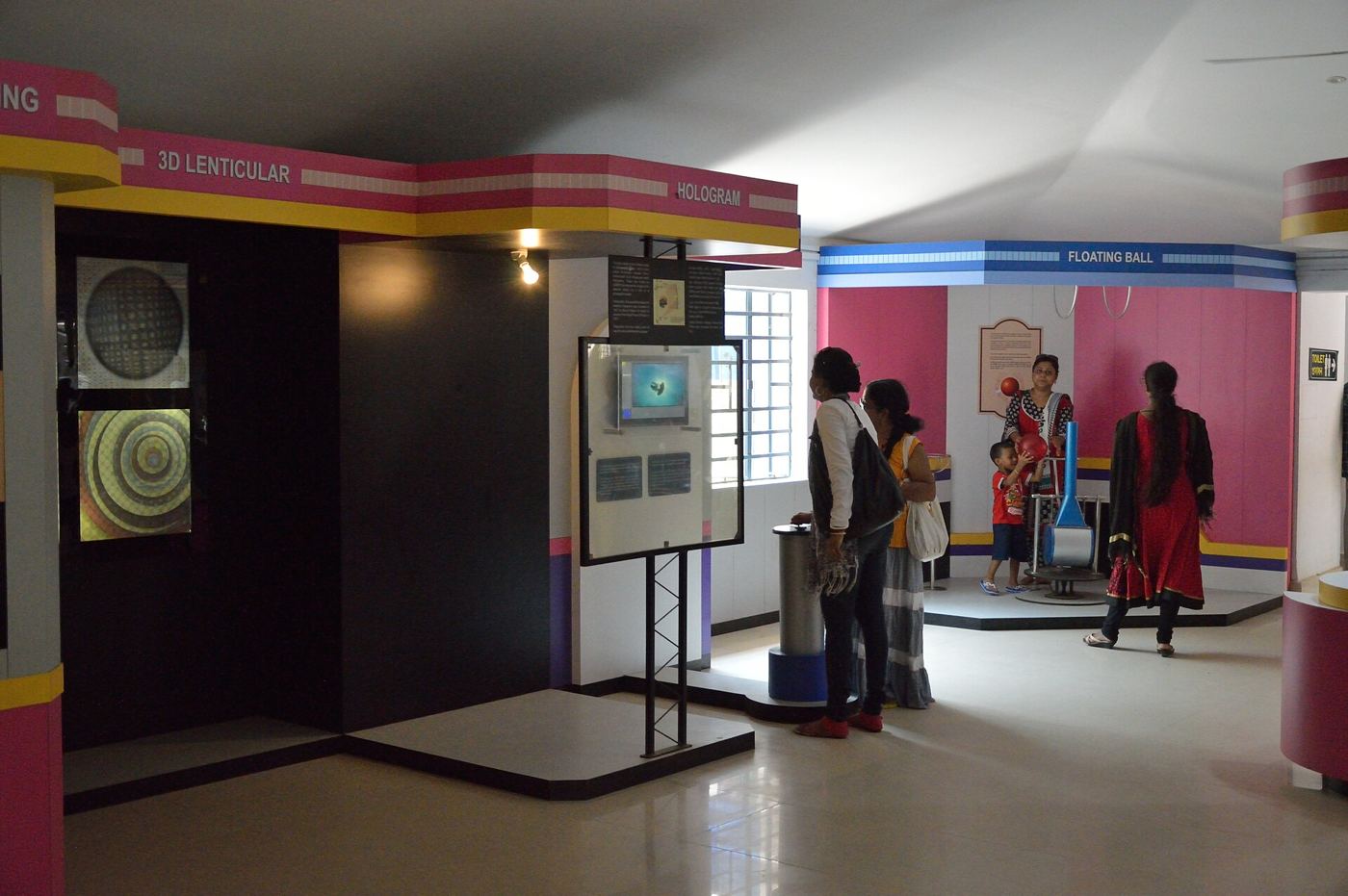
Science fiction has long promised holograms, images that float in the air and can be walked around, but real displays have mostly been flat screens or headsets. That is starting to change. New displays use arrays of tiny lenses or fast-spinning panels to send different images to each eye, creating a three-dimensional picture that can be seen without glasses. Doctors are using them to study a patient’s heart in 3D before surgery, car makers are testing dashboards that project navigation onto the road ahead, and designers are reviewing car models as floating images they can walk around. Some systems use lasers to draw images in the air itself, while others use light fields that recreate the way light bounces off a real object.
What the Evidence Shows
The displays are still expensive and limited. The images are often small, dim or visible only from a narrow angle, and the most convincing systems need powerful computers to calculate the light field in real time. Researchers are working on brighter materials, wider viewing angles and cheaper ways to build the displays, and companies are finding the first practical uses in medicine, design and advertising. A surgeon who can turn a 3D scan of a heart in the air before an operation may spot a problem a flat screen would hide. Experts say the technology will reach living rooms only when it becomes cheap and bright enough to compete with a television. Until then, its home is the laboratory, the operating theatre and the design studio. Reporting and analysis from sources such as IEEE Spectrum track the same developments, and specialists following the holographic display technology say the direction is now consistent across independent lines of evidence.
The Wider Context
Adoption of the holographic display technology follows a familiar pattern with an unfamiliar speed. Early users tolerate rough edges in exchange for advantage, mainstream users arrive when the tool disappears into existing workflows, and the market consolidates around whoever made that transition feel effortless. Vendors are racing less on raw performance now than on integration, support and trust.
What Happens Next
The realistic forecast for the holographic display technology is steady integration rather than sudden replacement: embedded in products people already use, improving in increments, and regulated in proportion to its reach. The companies and institutions that plan on that basis, training staff and redesigning processes instead of chasing launches, are the ones the adoption data tends to vindicate. You can follow related developments in our coverage of technology.
It is also worth remembering how quickly the picture in this area has changed before. Positions that looked settled a few years ago have been revised as new data arrived, and the same humility is appropriate now. The strongest coverage of this subject, and the most useful advice, tends to come from sources that update their views openly when the facts move, rather than defending an earlier position long after it has stopped fitting the evidence available.
