

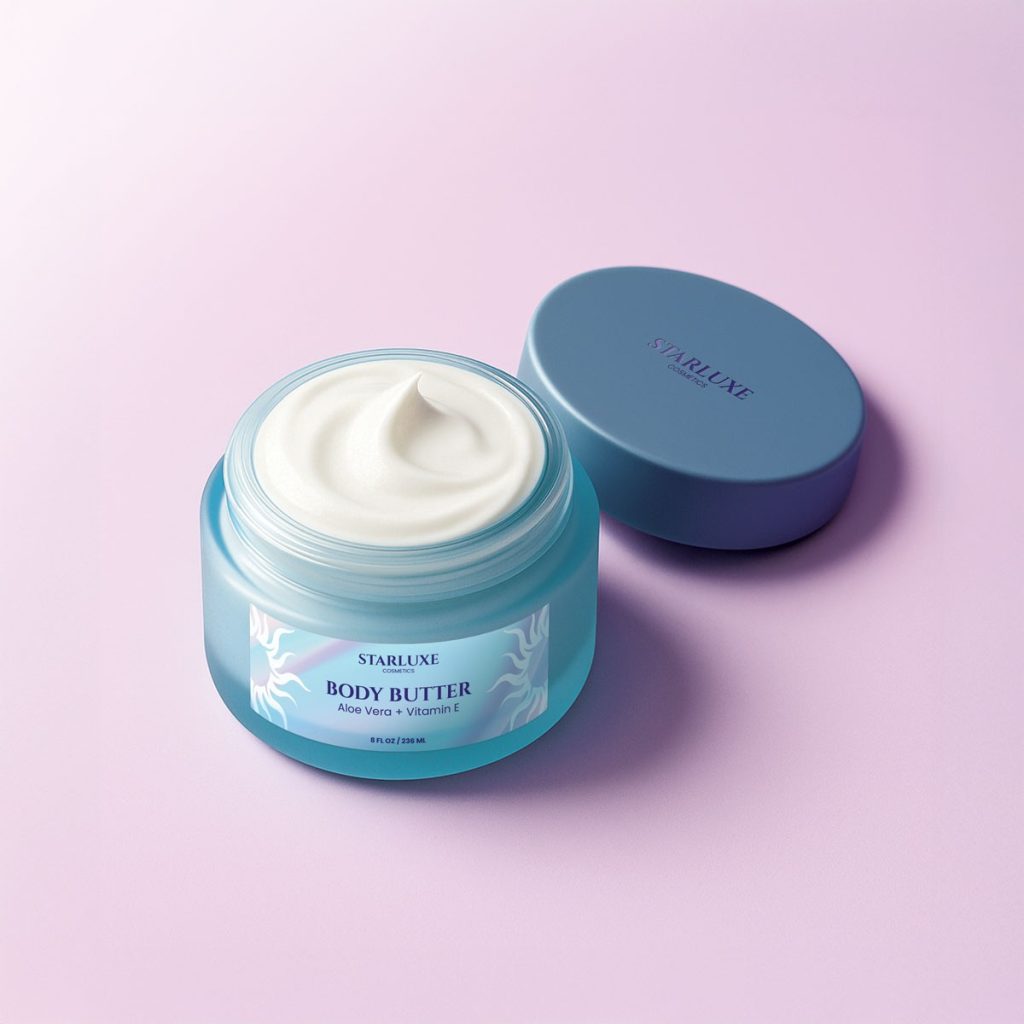
Most small brands assume premium packaging means splashing out on rigid boxes and printed mailers. Then they watch a rival shift the same sort of product at twice the price with plainer packaging and a much sharper label. Custom sticker labels are usually the reason, and they cost a fraction of a full packaging overhaul.
Here is the bit nobody mentions: your label does most of the perception work before a single word gets read. Custom sticker labels give small brands a genuinely premium finish on packaging they already own, so a jar or bottle starts looking like it belongs on a boutique shelf rather than a hobby project.
Your Packaging Is Snitching on Your Product
The First Three Seconds Do All the Judging: Shoppers work out whether a product looks expensive within seconds of spotting it, and the label carries that entire decision. Typeface, spacing, colour and print sharpness all get read instantly, mostly without anyone realising. Plain stock and soft artwork say budget long before your ingredients list gets so much as a look in.
Waiting It Out Gets Expensive: Every month spent with tired packaging is a month of sales going to brands that simply look more established, and the gap widens once retailers start deciding which products earn shelf space. Label printers see this pattern constantly: a founder reorders months later with tighter artwork after too many stockists passed. The product never changed.
Tiny Tweaks That Punch Way Above Their Weight
White Space Is Not Wasted Space: Cramming every claim onto a label is the quickest route to looking cheap, because expensive design leans on restraint rather than volume. Cut the copy back, give your logo room to breathe and let one colour lead. Good visual merchandising follows the same logic in store: clean and easy to scan beats busy.
Your Finish Is Doing More Talking than You Think: Matte laminate reads as considered and understated, while gloss makes colour jump and suits anything bright or playful. That single choice shifts how premium a product feels before it ever leaves the shelf. Textured uncoated stock does something else entirely, handing small-batch ranges a tactile quality that photographs beautifully across your online listings.
Beating Big Brands Without Reformulating a Thing
Print Quality Is the Real Tell: Registration, colour accuracy and clean edges are what separate a professional label from an obviously homemade one, and shoppers clock the difference without being able to name it. Digitally printed custom sticker labels hold fine detail and small type cleanly, so intricate illustrations and tight logos survive the jump from screen to shelf.
Short Runs Make You Look Bigger: Ordering smaller quantities lets you run several product variants at once instead of committing to thousands of one design. That is how a three-product range starts reading as a proper collection. Test a flavour, retire the flops and reprint the winners, all without a cupboard full of stock you cannot shift.
Paper, Waterproof or Metallic: Pick Your Fighter
Paper Stock Handles the Everyday Stuff: Smooth paper with a matte or gloss laminate suits dry goods, candles, baked treats and anything living at room temperature. It is the most affordable option and looks every bit as sharp as pricier materials once laminated. Most custom sticker labels start here, and plenty of brands never need to move on.
Synthetic Stock Survives the Wet Stuff: Waterproof synthetic labels hold their finish through condensation, fridge storage, bathroom humidity and oily contents that would lift a paper edge over time. Skincare, sauces and chilled drinks belong here. The material costs a little more, which is fair for a label that refuses to peel. Metallic silver stock adds reflective shine, and custom sizes sort out awkward jars.
Where the Payoff Keeps Showing Up
A Sharper Label Buys You a Higher Price: Raising your price gets far easier when the packaging already looks like it belongs at that number, since perceived product value is built almost entirely on presentation before anyone tries what is inside. Two near-identical jars at different price points sell to different people, and the labelling usually explains most of that gap.
Consistency Beats Clever Every Time: Running the same label system across every product trains customers to spot you instantly, which is worth more over time than any single clever design. Keep the layout, typeface and colour logic steady, then change only the variant name. Repeat buyers find you on a crowded shelf without reading anything at all.
The Bits Everyone Wishes They Had Checked First
Nail These before You Hit Print: A few practical decisions separate a label that lifts your packaging from one that quietly undercuts it. Sorting them out before your artwork goes to print saves reprints, wasted stock and the sinking feeling of unboxing a thousand stickers with a typo on them. Good custom sticker labels start with decent preparation.
- Check your artwork resolution before uploading, because low-res files print soft and look cheap instantly
- Match the material to where your product actually lives, not where you hope it ends up
- Leave a safe margin around text so nothing important sits near the edge
- Order a small run first and check it under real light
Time to Stop Letting Good Product Wear Bad Packaging
The right label makes a modest product read as deliberate and worth paying for, with no change to what is inside the jar. Every week spent with packaging that undersells you is margin handed to someone who simply looked more polished. Pick your material, upload your artwork and order a short run to see the difference yourself.
