

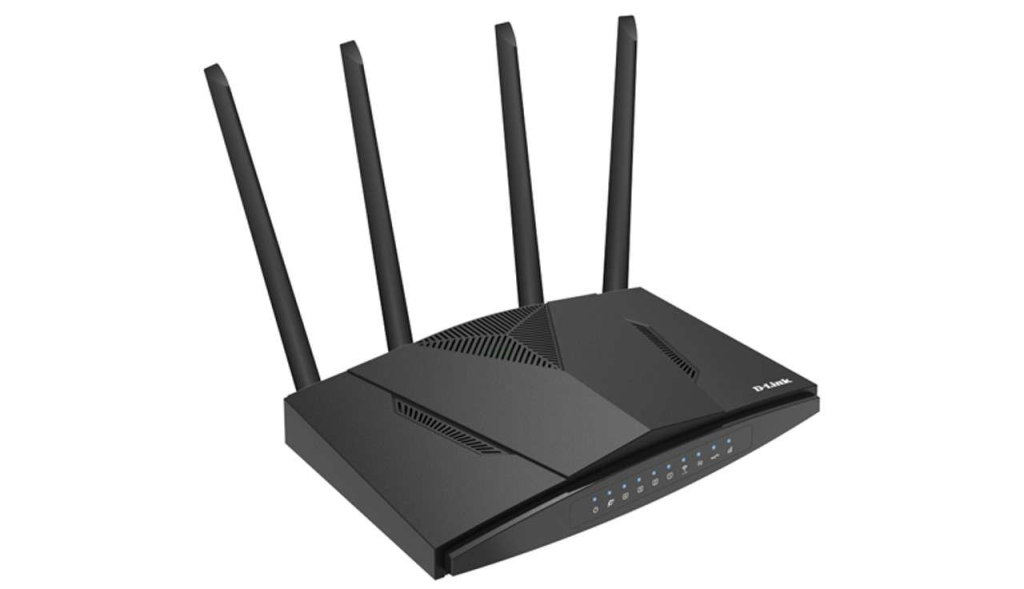
Slow connections, dropped video calls, and unsecured networks cost businesses far more than most owners realise. As remote work, online learning, and cloud operations become standard, the router in your office has turned into a critical piece of infrastructure. Understanding routers prices in Kenya starts with understanding what your network actually needs to deliver.
Routers prices in Kenya range widely because speed ratings, security features, and build quality differ sharply between entry-level and business-grade models. A basic home unit and an enterprise router can look similar on a shelf yet perform completely differently under load. Matching the specification to real usage protects you from paying twice.
The hidden cost of an underpowered router
A Bottleneck Hiding in Plain Sight: An underpowered router throttles every device connected to it, no matter how fast the internet subscription is. Businesses often blame their service provider for lag when the real fault sits in the equipment cupboard. Video calls stutter, cloud backups crawl, and point-of-sale systems freeze during busy hours because the hardware cannot cope.
Security Gaps That Widen Quietly: Older consumer routers rarely receive firmware updates, leaving known vulnerabilities open for years. Weak firewall protection exposes payment data, client records, and internal files. In everyday practice, network technicians routinely see businesses that delayed upgrading until a breach forced the decision, and the repair bill far exceeded the price of proper equipment.
Routing features that lift daily productivity
Traffic Control for Busy Hours: Modern business routers prioritise traffic so essential applications never compete with casual browsing for bandwidth. Built-in quality of service settings reserve capacity for video calls, VoIP lines, and accounting software during peak hours. Staff stop waiting for pages to load, meetings run smoothly, and customers get faster responses at every touchpoint.
Stability for Remote and Hybrid Teams: Dual-band and tri-band models spread devices across separate frequencies, reducing congestion when dozens of laptops, phones, and printers connect at once. A stable network means remote staff join meetings reliably, students access lessons without dropouts, and managers monitor operations from anywhere. Dependable connectivity has quietly become as fundamental as electricity.
Consumer models compared with business-grade routers
Where Home Routers Still Make Sense: A consumer router suits a small household with light browsing, streaming, and a handful of connected devices. It costs less upfront and takes minutes to install. The trade-off appears when connections multiply, because processors and memory in home units were never designed for simultaneous heavy sessions and constant uptime demands.
Why Business-Grade Units Cost More: Business-grade routers carry faster processors, stronger encryption, and support for dozens of concurrent users without slowdown. They allow separate networks for staff, guests, and payment systems, which limits damage if one segment is compromised. Comparing routers prices in Kenya against these capabilities shows the higher figure buys measurable, lasting performance.
Long-term value that outlasts the purchase price
Capacity That Grows With You: A router with spare capacity absorbs new staff, extra devices, and heavier applications without replacement. Buying slightly above current needs typically extends useful life from two years to five or more. Spread across that period, the better unit often works out cheaper each month than the budget model replaced twice over.
Genuine Equipment Backed by Real Support: Genuine units come with valid warranties, verified firmware, and manufacturer updates that counterfeit stock never provides. Expert guidance before purchase matches the model to your building layout, user count, and growth plans. That combination turns a routine hardware purchase into a confident investment in connectivity that keeps working for years.
What shapes the price tag
Several measurable factors explain why routers prices in Kenya vary from budget-friendly units to premium enterprise hardware. Reviewing each one against actual requirements keeps the purchase grounded in evidence rather than guesswork, preventing both overspending on unused features and underspending on fragile equipment that fails under daily pressure within months.
- Wireless speed ratings decide how quickly data reaches every connected device.
- Encryption standards and automatic updates protect sensitive business information.
- Coverage range determines whether one unit serves the whole premises.
- User capacity separates home models from office-ready equipment.
Frequently asked questions
What determines routers prices in Kenya?
Speed ratings, security features, coverage range, and user capacity carry the most weight. Business-grade models cost more because they handle heavier workloads with stronger protection. Brand reputation and warranty terms also influence the final figure, although capability matters more than the badge.
When should a business replace its router?
Most business routers perform dependably for four to six years when properly specified at purchase. Replace sooner if the manufacturer stops issuing firmware updates, if user numbers have grown well beyond the original capacity, or if frequent restarts and slowdowns begin interrupting daily operations.
Are cheap imported routers safe for business use?
Unverified imports often lack genuine firmware, valid warranties, and security patches, leaving networks exposed and buyers without recourse when faults appear. Genuine stock from authorised channels costs slightly more upfront yet protects business data and guarantees support throughout the equipment’s working life.
Connectivity decisions that pay off
The right router quietly improves every part of a working day, from faster transactions to meetings that never drop. Waiting on failing equipment rarely saves money, because lost productivity, security exposure, and emergency replacements accumulate quickly. Each month of delay narrows the gap between upgrading now and paying more later.
Choosing well simply means matching honest specifications to real requirements with guidance you can trust. A short conversation about your premises, user count, and growth plans usually settles the decision in minutes. Speak to a networking specialist today and secure a router that keeps your business connected for years to come.