

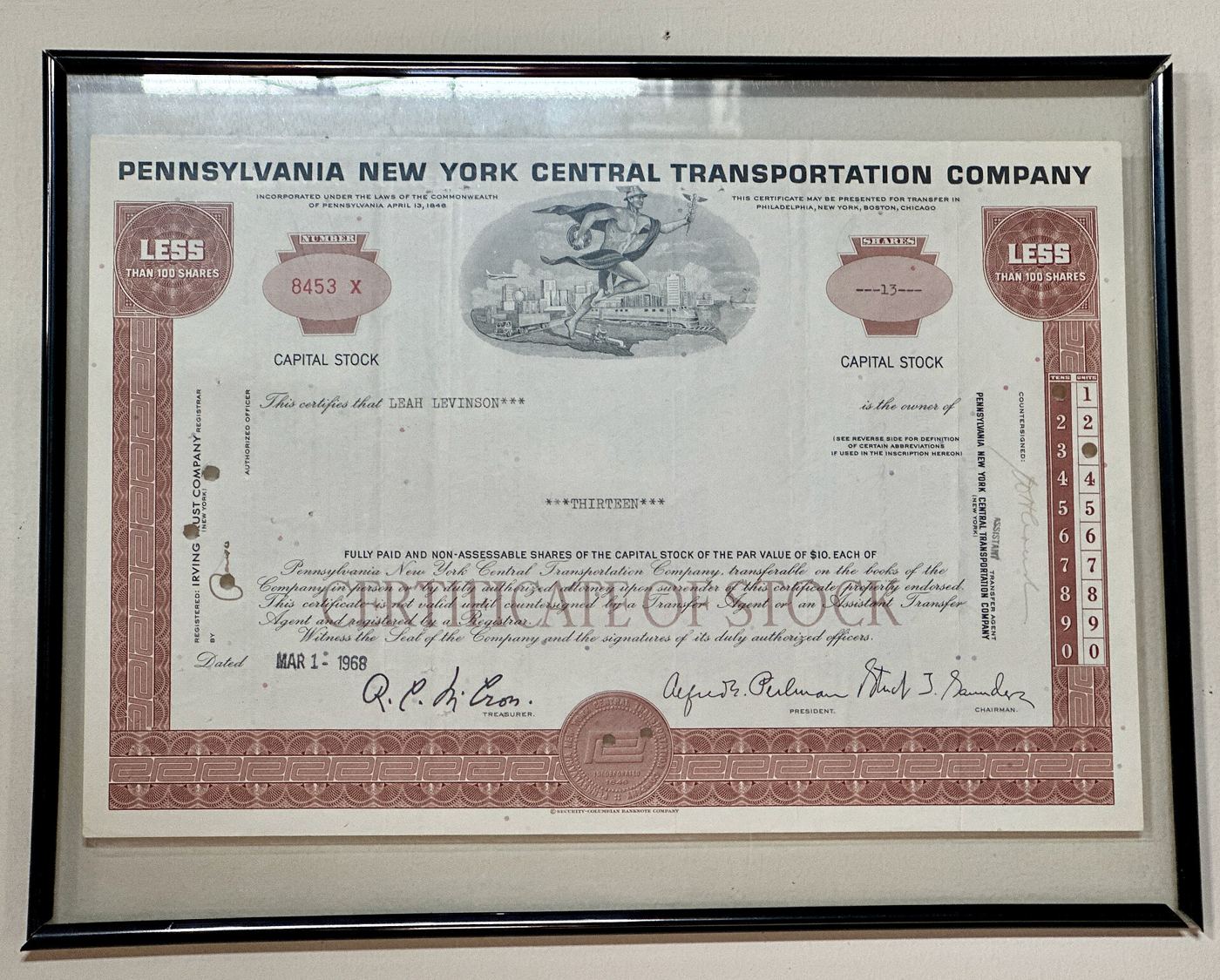
Stock market volatility has returned as investors weigh interest rates, earnings and geopolitics week by week. Sharp daily moves feel alarming, yet market historians note that falls of ten percent or more occur in most decades, and diversified portfolios have historically recovered when given enough time.
Why It Matters Now
stock market volatility is being watched closely by households as well as investors, because decisions taken in boardrooms quickly reach monthly budgets. Lenders, savers and pension funds all react to the same signals, yet they feel the effects at different speeds. Economists advise looking beyond a single headline figure: wages, borrowing costs, confidence and trade all interact, and a change that helps one group can squeeze another, at least until markets and employers have time to adjust.
The investors hurt most are usually those forced to sell at the wrong moment or concentrated in a single fashionable stock. Keeping an emergency fund outside the market, rebalancing occasionally and ignoring daily noise remain unglamorous but effective responses for most long term savers.
What Experts Are Watching
For stock market volatility, the data tell a more nuanced story than the headlines suggest. Analysts compare current figures with long term averages, adjust for seasonal patterns and check whether the trend is broad or driven by a few large players. That discipline matters for ordinary decisions too. Whether someone is fixing a mortgage, pricing a product or planning a hire, understanding the direction of travel is usually more useful than reacting to one dramatic day of market movement.
What happens next will depend on follow through. Announcements are easy; delivery is measured in budgets, hiring, deadlines and results that outsiders can verify. Observers will be watching the next round of data and the first independent assessments, which usually reveal whether early enthusiasm was justified. If the trend continues, expect competitors, regulators and customers to respond within months, turning what looks like a specialist story today into a mainstream question for households and businesses alike.
Context also matters historically. Similar shifts in earlier decades followed a recognisable pattern: early excitement, a period of disappointment as costs and limits became clear, then steady improvement as standards, training and infrastructure caught up. Remembering that pattern helps readers judge today’s claims proportionately. It neither guarantees success nor predicts failure, but it does suggest that patient, well funded work tends to outlast both hype and cynicism, and that the most durable benefits often appear in ordinary places rather than launch events.
There is also a human side that statistics can miss. Behind every figure are people adjusting routines, retraining, moving money or changing plans in response to new information. Their experience is a useful test of whether a trend is real: when change reaches kitchens, clinics, classrooms and workshops, it has usually passed beyond speculation. Listening to those voices, alongside official data, gives a fuller and fairer picture of what is actually happening and who is being helped or left behind.
Readers can follow our finance coverage for further updates on this story, and compare the details with reporting from the World Bank. As stock market volatility continues to develop, we will update this article with verified figures, named sources and reaction from the people most affected, so the record stays clear, accurate and useful for everyone following it closely.
